
On this page
Choosing energy management software in 2026 is a more pressing decision than it has ever been. The EU Energy Efficiency Directive (EED) 2023/1791 Article 11 sets stricter thresholds for mandatory energy audits and certified energy management systems, member-state laws like the German EnEfG already require an EnMS above 7.5 GWh annual consumption, and major buying centres now ask vendors to prove ISO 50001 compliance support before signing. This guide compares six EMS platforms, from Schneider EcoStruxure to ModbusCloud, on the criteria that actually matter for installers and integrators: protocol depth, vendor neutrality, ISO 50001 reporting and total cost.
Updated: June 2026.
What is energy management software?
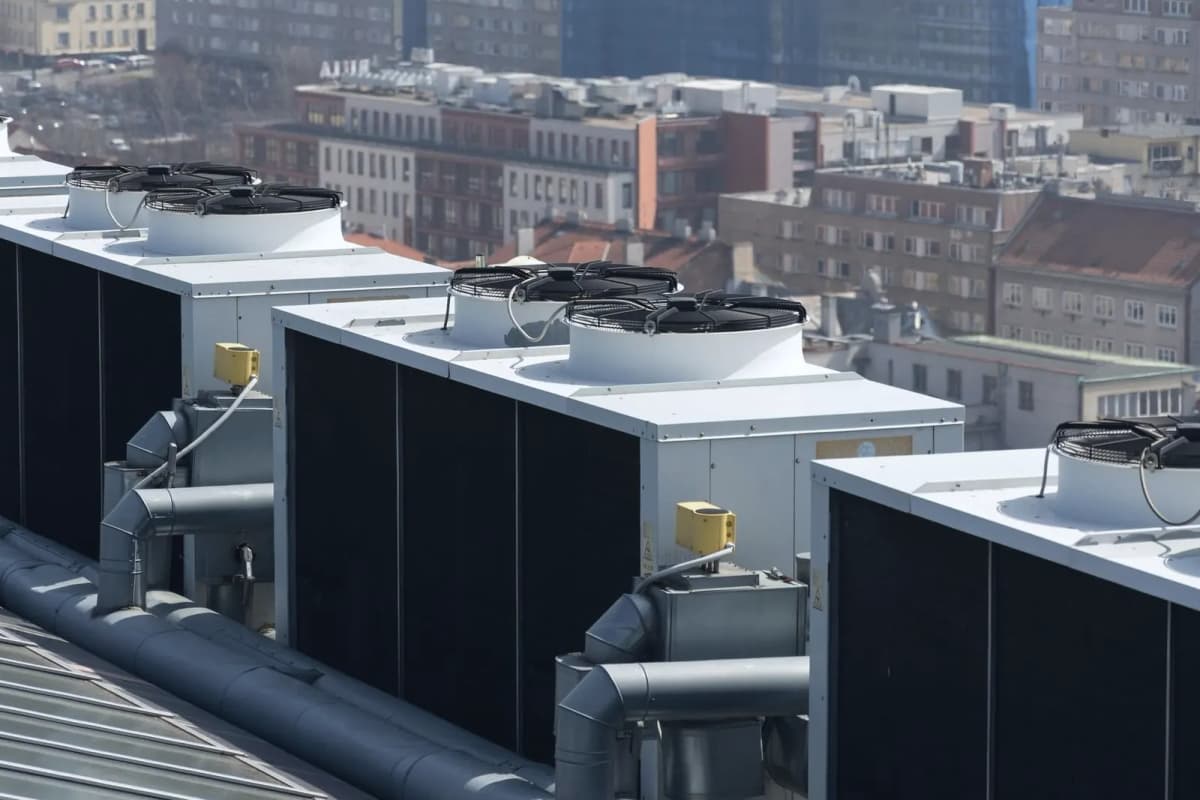
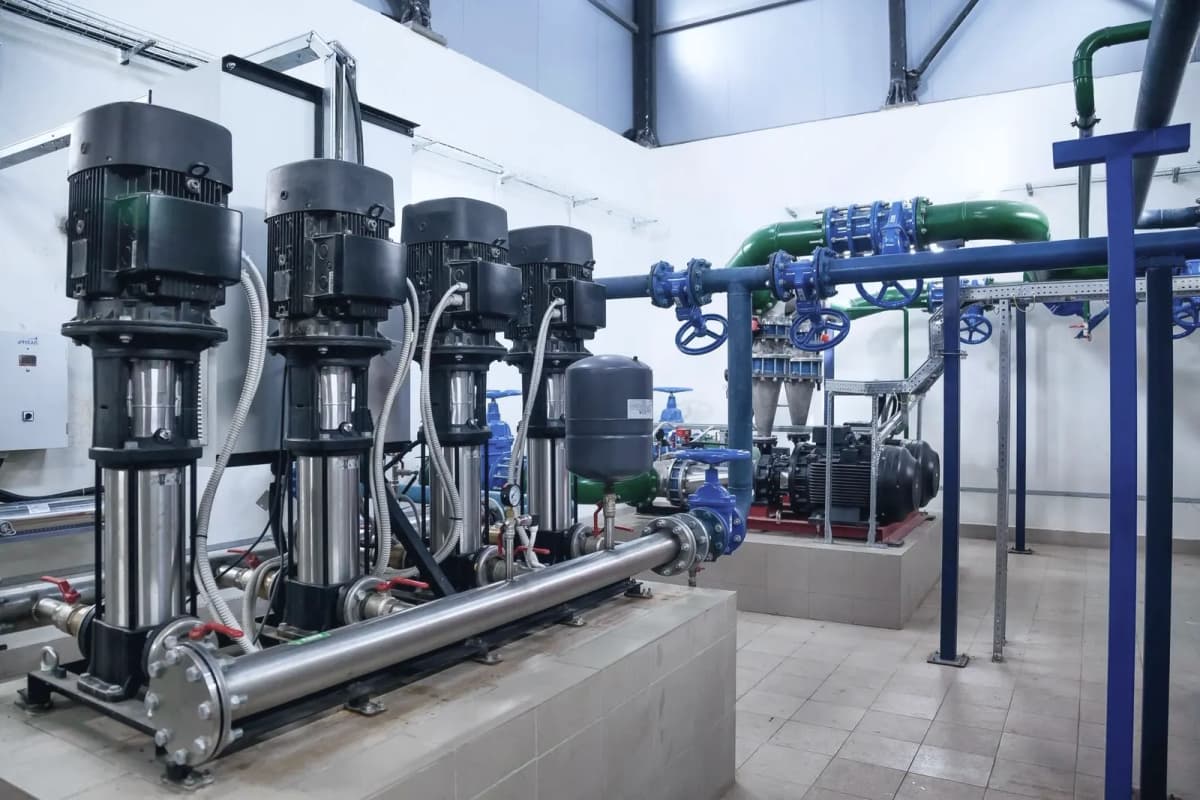
Energy management software is a platform that collects measured data from submeters, main meters and building services equipment (heat pumps, chillers, air handling units), normalises it and reports consumption per site, per asset or per circuit, so building owners and facility teams can identify waste and justify savings actions. A full Energy Management System (EnMS) adds planning, targets and a Plan-Do-Check-Act cycle in line with ISO 50001:2018 (see ISO 50001 standard).
The software layer is intentionally decoupled from the hardware. A good platform reads submeters from many vendors over Modbus RTU, Modbus TCP, M-Bus and BACnet/IP, rather than insisting on a proprietary bus. Protocol coverage is therefore one of the most consequential selection criteria, and protocol-bridging gateways sit at the boundary between field devices and cloud.
When do you need an EnMS?
EU and member-state law set three thresholds that decide whether you need an EnMS. At the EU level, EED 2023/1791 Article 11 mandates an energy audit every four years for enterprises with average annual consumption between 10 and 85 TJ, and a certified EnMS (ISO 50001 or equivalent) above 85 TJ (see the EC directive overview). Member states are free to set tighter thresholds: Germany triggers the EnMS requirement at 7.5 GWh under the EnEfG (a draft revision raises this to 23.6 GWh), the Netherlands keeps a separate informatieplicht above 50,000 kWh of electricity or 25,000 m3 of gas.
In practice: a small office portfolio of five 600 m2 buildings at 60 MWh/year each is well below either EED threshold but still subject to the local information duty in NL. A mid-sized factory at 4 GWh of electricity falls within the audit obligation. A data centre or large hospital above 23.6 GWh must run a certified EnMS. Typical savings after EnMS deployment land in the 5 to 15 percent range, consistent with IEA case studies and ISO 50001 outcome reports.
Five comparison criteria for installers and integrators
EMS vendor marketing leans on words like "real-time", "AI" and "ROI". Installers, integrators and facility teams get to a better decision faster with five concrete criteria:
- Protocol coverage. Which field-bus protocols does the platform read natively: Modbus RTU, Modbus TCP, M-Bus, BACnet/IP, KNX, OPC UA? This decides whether you reuse existing submeters or rip-and-replace.
- Vendor neutrality. Does the platform require meters from its own brand (Schneider PowerTag, Siemens Sentron) or does it work with any compliant meter? Lock-in is a long-tail cost.
- EED and ISO 50001 reporting. Does the platform produce baseline, EnPI (Energy Performance Indicators) and PDCA reports an external auditor accepts?
- Submeter onboarding speed. How fast can an installer add ten meters: register-by-register manual entry, template library, or auto-discovery?
- Total cost over 5 years. SaaS licence per site or per measurement point, hardware (gateway, submeters), implementation hours and any local subsidies (BAFA Modul 3 in DE covers 25 to 45 percent of EnMS software and sensor cost depending on enterprise size).
What a vendor-neutral EMS rollout looks like
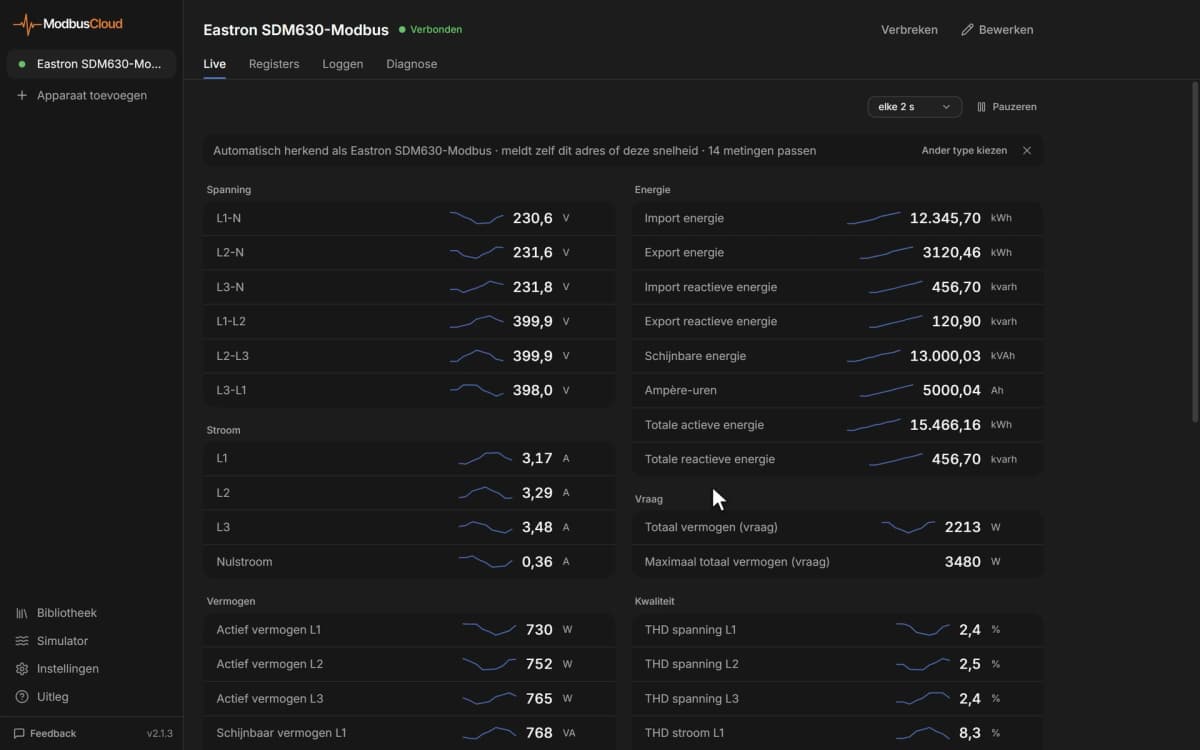
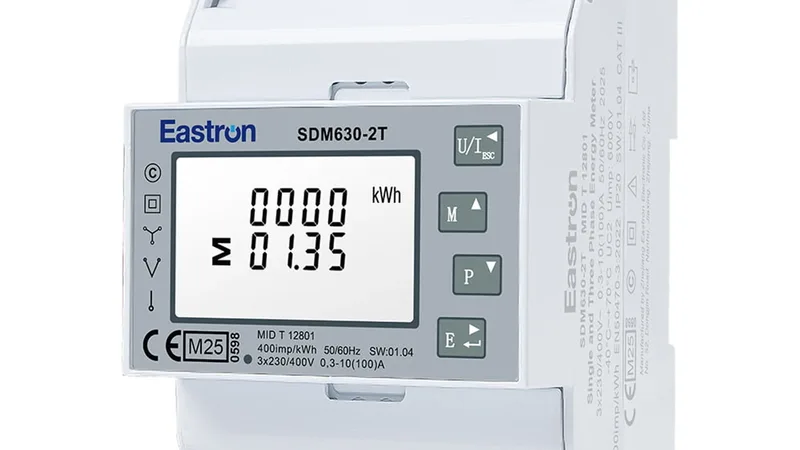
An installer fitting out an office building rarely wants to swap the existing Eastron SDM630 on the main feed when there is a Janitza UMG 96 on the rooftop circuit, a Kamstrup MULTICAL heat meter in the plant room speaking only M-Bus, and BACnet/IP controllers on the AHUs. A vendor-neutral platform reads all three over a single gateway, picks up the BACnet points as well, and publishes everything into one dashboard.
That setup only works when three things line up: the gateway supports all four protocols concurrently (not one at a time), the platform ships register templates for the common meters so the installer does not map every holding register by hand, and the licence model does not punish protocol breadth. Two of the six platforms compared below fall short on the second point.
Six EMS platforms side by side
The following six platforms cover the bulk of the European market for commercial buildings and light industrial sites. The "native" and "via add-on" columns reflect each vendor's product pages and datasheets as of May 2026. Where a vendor publishes no KNX support, the cell shows "Not".
Short profile per platform on the remaining criteria:
- Schneider Electric EcoStruxure Power Monitoring Expert + Resource Advisor. Strong ISO 50001 reporting, global service footprint. Lock-in risk on PowerTag and PM-series meters. Best fit for groups already standardised on Schneider switchgear.
- Siemens Building X + Navigator. Deep integration with Sentron meters, Desigo CC and Climatix. Modern cloud path since Navigator 2.0. Lock-in risk on Sentron. Strong choice when the portfolio already runs Desigo BMS.
- IngSoft InterWatt. One of the earliest ISO 50001-aligned platforms in DACH, broad protocol coverage, strong regulatory focus. Heavier implementation than pure-SaaS platforms.
- Optenda Energy Monitor. On the BAFA list, simple UI, narrower protocol set outside Modbus and M-Bus. Good fit for SME portfolios.
- Ecoplanet. Modern SaaS, AI-driven analysis, DACH industrial focus. Fast onboarding, less depth in legacy BMS protocols.
- ModbusCloud Gateway + Cloud. Vendor-neutral from the meter up, register templates for the common brands, /en/product hardware stays open. The weak point is a smaller enterprise reference base; in the installer and integrator segment that does not register as a factor.
Four steps from submeter to dashboard
An installer commissioning an EMS in a site with ten submeters almost always follows the same sequence:
- 1
Site survey and single-line drawing
Walk the building with the electrical drawings. Capture per measurement point: main feed, submeters per circuit, current sensing method (direct, CT, Rogowski), existing comms protocols and cable infrastructure. Record in a spreadsheet with brand, model, Modbus address and register-map URL. This avoids surprises on commissioning day.
- 2
Install submeters and wire the bus
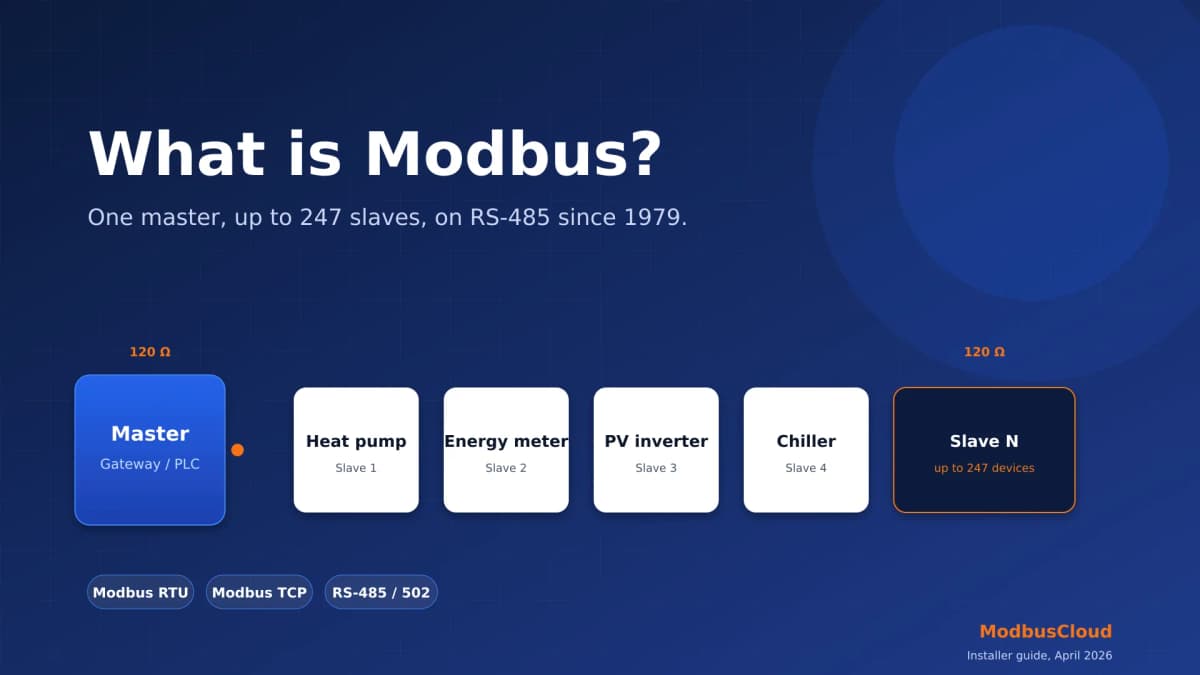
Fit DIN-rail kWh meters or M-Bus heat meters per circuit. Run an RS485 daisy-chain with 120 ohm terminators at both ends for Modbus RTU; use the building IT network in a dedicated VLAN for Modbus TCP and BACnet/IP. The RS485 wiring guide covers length and topology rules in detail.
- 3
Commission the gateway
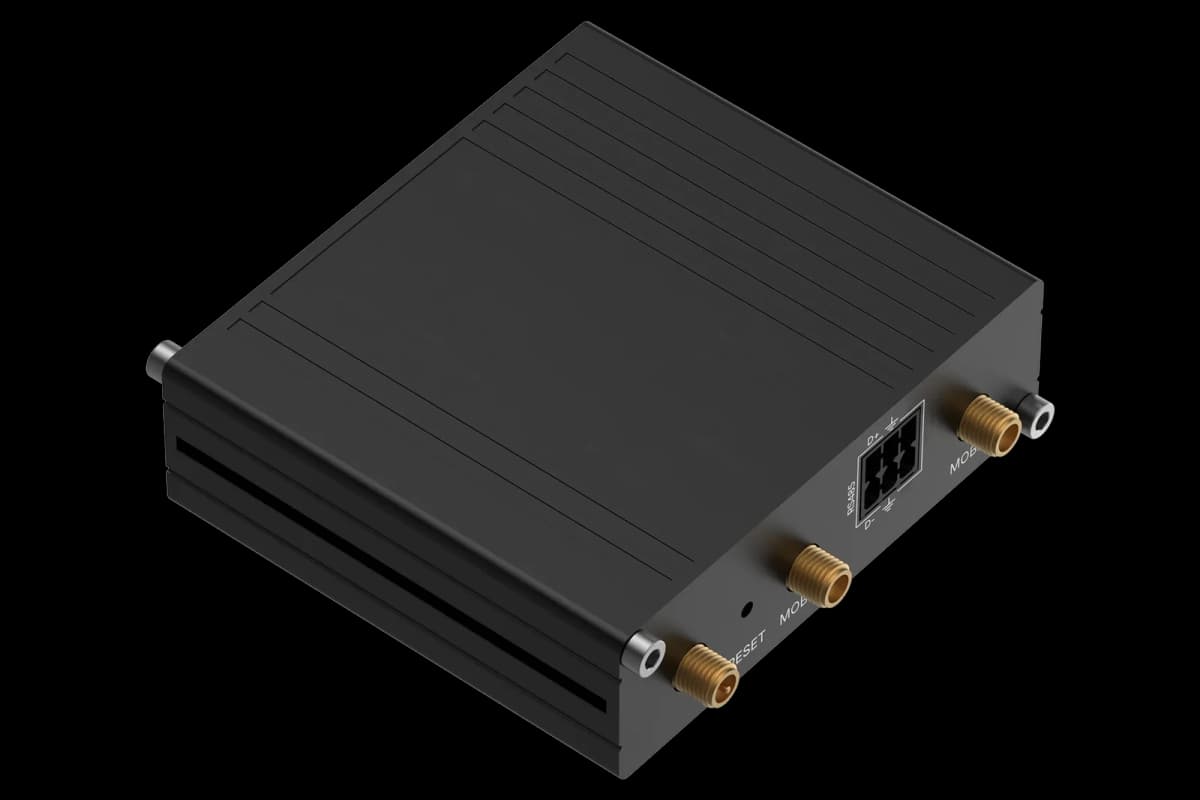
Configure the gateway: WAN uplink (LAN or LTE), Modbus master role on the RS485 port, slave addresses 1 to 247 assigned, polling intervals per meter (15 seconds for kWh, 5 minutes for temperatures). Verify each meter with a raw read before binding to the platform.
- 4
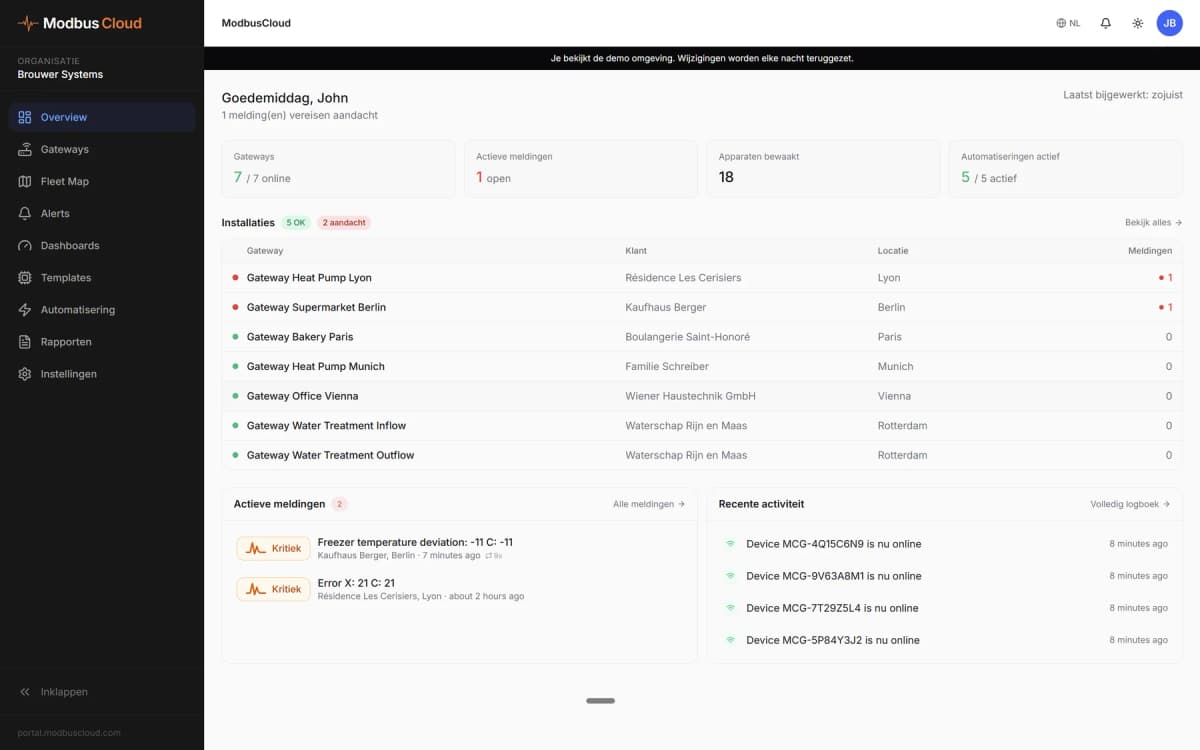
Set up dashboard and reporting
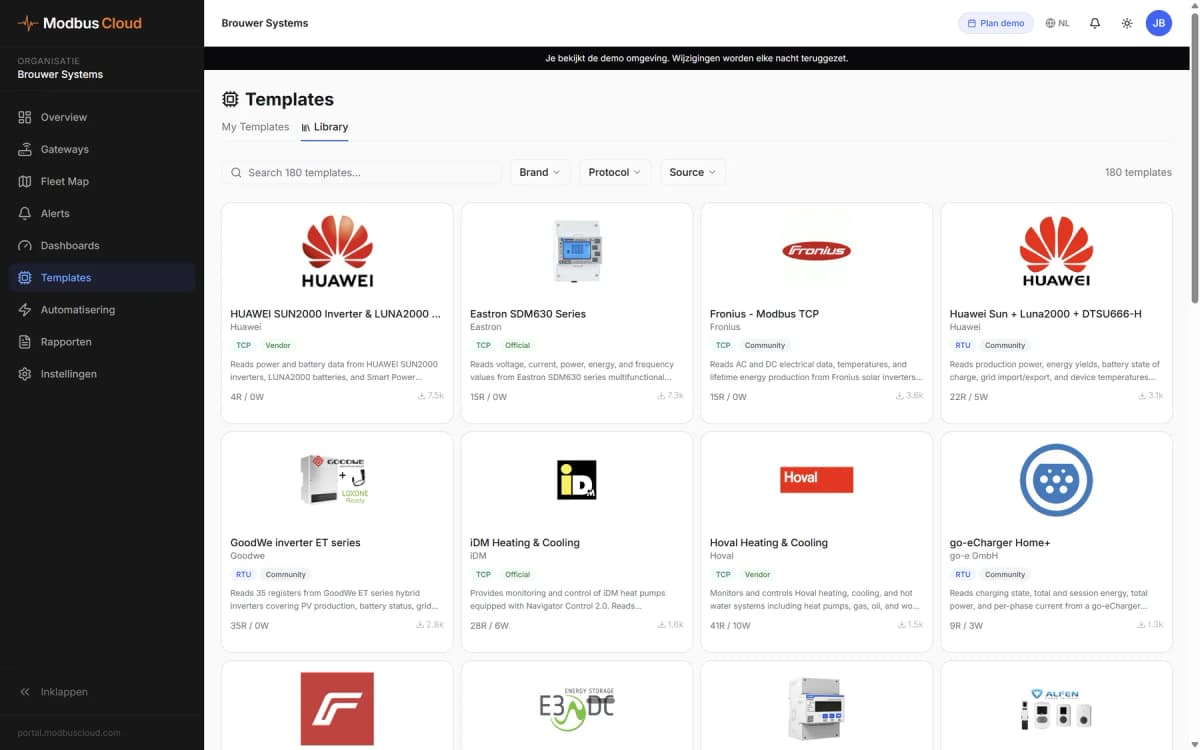
Import register templates for the meters used into the EMS, translate raw registers into normalised quantities (kW, kWh, m3, degrees Celsius), build groups per room or asset, and turn on threshold alerting. Seed an EED or ISO 50001 baseline from the first four weeks of measured data.
With a well-documented site survey, an experienced installer brings 10 meters live in a single day. Undocumented register maps or hard-to-reach distribution boards push that to two days.
Cost and ROI
Total cost of ownership over five years for a typical office building (ten submeters, one gateway, a SaaS licence) lands between EUR 6,000 and EUR 18,000 before any local subsidy. Indicative ranges: DIN-rail Modbus kWh meter EUR 80 to 300, Modbus gateway EUR 200 to 800, SaaS licence EUR 200 to 2,000 per month depending on platform and portfolio size. Commissioning takes 8 to 16 hours per 10 measurement points.
The savings break into three buckets. Direct energy savings of 5 to 15 percent reduce a 60 MWh/year office building's electricity bill by EUR 600 to 1,500 per year. Local subsidies cut capital cost (BAFA Modul 3 covers up to 45 percent of qualifying software and sensor cost in DE). Auditor and reporting effort drops: an ISO 50001 baseline and EnPI report produced by the EMS saves an estimated 16 to 32 consulting hours per audit cycle.
Enterprise platforms and EU context
Several large international platforms (Johnson Controls OpenBlue, Honeywell Forge, ABB Ability Energy Manager) target enterprise customers with existing BMS infrastructure. For mid-market commercial buildings these are usually oversized and more expensive than necessary. EU EED 2023/1791 Article 11 mainly bites at and above 85 TJ; below that, a lighter vendor-neutral platform sitting on top of existing Modbus and M-Bus infrastructure normally pencils out better than a full BMS replacement.
If you need direct control alongside monitoring (load shifting, dynamic tariffs, setpoint writes to HVAC controllers) confirm the platform supports writes on Modbus holding registers and BACnet writable points. Ask each vendor for a list of writeable points per protocol; not every EMS supports control workflows.
FAQ
How much does energy management software cost?
SaaS platforms typically run EUR 200 to 2,000 per month per site depending on portfolio size. Hardware adds EUR 80 to 300 per submeter and EUR 200 to 800 per gateway, plus 8 to 16 hours of commissioning labour per 10 measurement points. In Germany the BAFA Modul 3 grant covers 25 to 45 percent of qualifying costs.
When is ISO 50001 required?
Under EU EED 2023/1791 Article 11, enterprises with average annual energy consumption above 85 TJ must implement a certified EnMS such as ISO 50001. Between 10 and 85 TJ an energy audit every 4 years is sufficient. Germany's EnEfG currently sets a tighter EnMS threshold at 7.5 GWh (draft revision: 23.6 GWh).
What is the difference between EMS and SCADA?
An Energy Management System targets KPI reporting, baselines and the PDCA cycle of ISO 50001. SCADA is a process control system for real-time supervision. EMS platforms often read points from SCADA or directly from submeters via Modbus or OPC UA, but rarely take over real-time control loops.
Which software is on the BAFA list?
The BAFA list of eligible energy management software is updated regularly (as of February 2026 it contains over 60 products). Listed vendors include IngSoft InterWatt, Optenda Energy Monitor, Ecoplanet, Schneider EcoStruxure and Siemens Building X. The current list lives at bafa.de.
Can I reuse existing Eastron SDM630 or Janitza UMG meters?
Yes, provided your gateway and EMS know the Modbus RTU or TCP register maps for those brands. Large platforms ship templates for common meters; vendor-neutral platforms like IngSoft InterWatt and ModbusCloud include these templates by default.
How long does it take to commission an EMS for a commercial building?
For 10 submeters in a well-documented building, expect 1 to 2 working days: hardware install, gateway commissioning, register mapping and dashboard setup. Undocumented register maps or hard-to-reach distribution boards can double that.