








my-PV Modbus templates
All 4 available my-PV templates for ModbusCloud.
Route PV surplus to hot water with my-PV AC ELWA and AC·THOR, monitored and controlled via Modbus TCP.
- Templates
- 4
- Connection
- Modbus TCP
- Registers
- 5 to 16 per template
- Compatible models
- AC•THOR · AC•THOR 9s · AC ELWA-E · AC ELWA 2
- Last updated
my-PV templates
4 via Modbus TCP
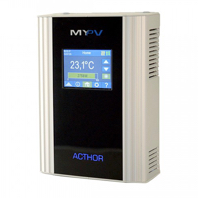 my-PV AC•THOR / AC•THOR 9sControls my-PV AC THOR PV power manager via Modbus TCPModbus TCP2 read, 4 write
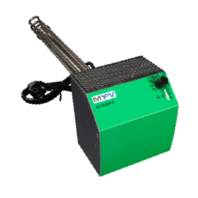 my-PV AC ELWA-EControls my-PV AC ELWA-E water heater power and boost settings via Modbus TCP.Modbus TCP15 read, 12 write
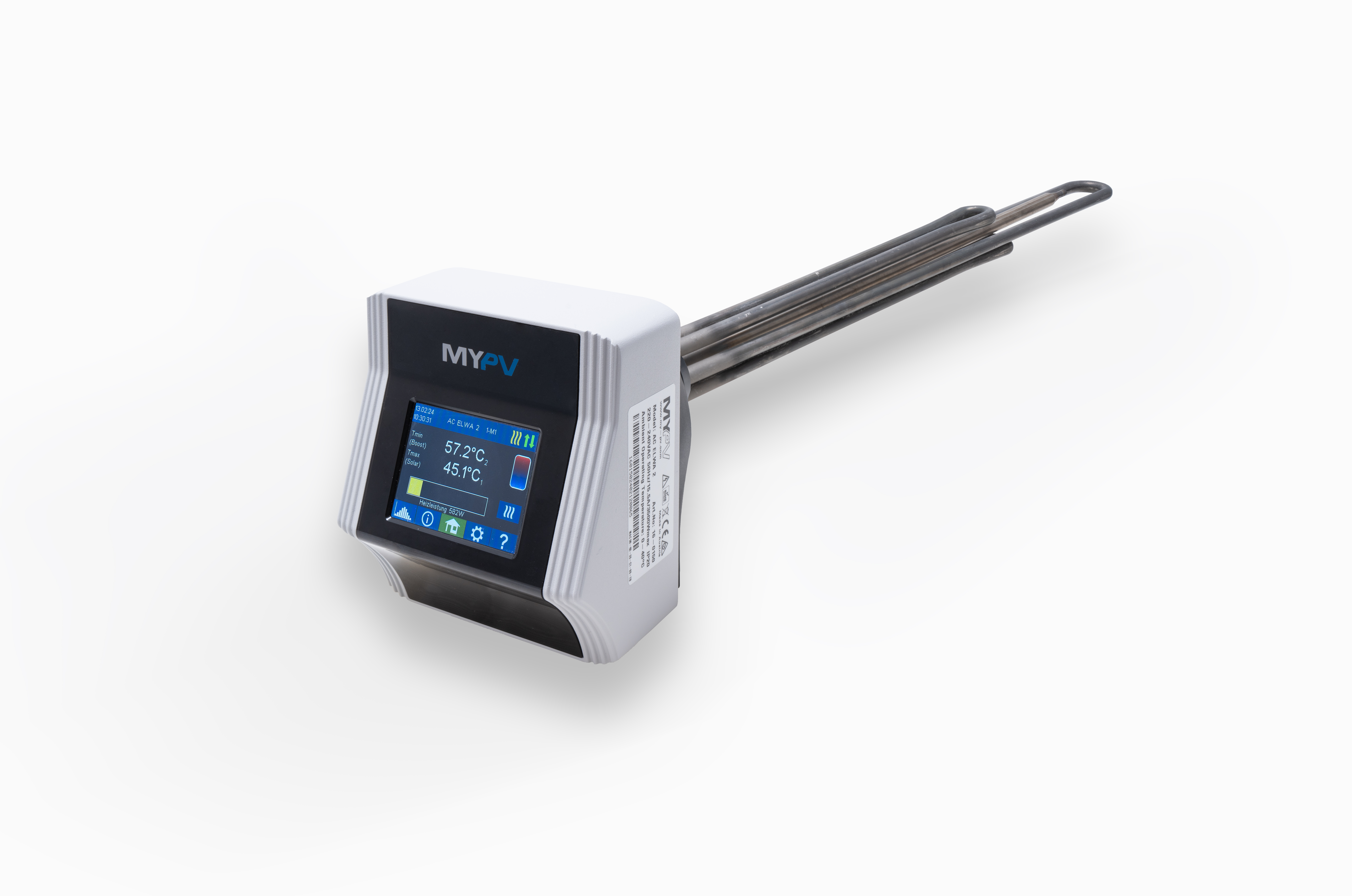 my-PV AC ELWA 2Controls PV surplus power for hot water heating via Modbus TCPModbus TCP6 read, 5 write
 my-PV WiFi Meter (grid)Modbus TCP8 read, 0 write
The scan recognises these devices
Connect them to RS485 or the network and start a scan in the portal.
Gateway
Portal
Incl. 4G data up to 30 MB per month
Excl. VAT. White label customer portal included. All prices
Order your first gateway100-day money-back guaranteeIf the gateway fails to connect to a Modbus device from our template library, you get your money back.

my-PV is an Austrian manufacturer of devices that convert surplus PV power into heat for domestic hot water. The 3 my-PV Modbus TCP templates in our library cover the AC ELWA 2 electric water heater, the AC ELWA-E with heating power and boost control, and the AC·THOR / AC·THOR 9s PV-to-heat routers that modulate excess power into an immersion heater or storage tank.
With ModbusCloud and these my-PV Modbus TCP templates you read water temperature, power consumption, device state, operation mode, and hardware temperature. Writable registers on the AC ELWA 2 set target temperature, power and timeout; the ELWA-E adds boost scheduling and clock settings; AC·THOR manages excess PV power with adjustable maximum temperature and power timeout. The result: PV that would otherwise be exported becomes hot water for free.
All 3 my-PV templates are free to browse. Import one into your ModbusCloud portal to maximise PV self-consumption by directing surplus generation into thermal storage instead of the grid.
What you can read out
- Water temperature and hardware temperature
- Power consumption and device state
- Operation mode and boost status
- Target temperature (writable)
- Power timeout and max temperature
Typical installations
- Residential PV with surplus routed to hot-water tank
- Self-consumption optimisation instead of grid export
- Off-grid or bad-tariff sites with thermal storage
Want to see how it works?
