









E+E Elektronik EE310 - High-end humidity and temperature sensor up to 180 °C
Measures humidity and temperature for demanding industrial environments up to 180 °C
The E+E Elektronik EE310 is a high-end humidity and temperature sensor designed for demanding industrial environments from -80 °C to 180 °C and up to 20 bar. This Modbus RTU template reads relative humidity, temperature, dew point, frost point, and absolute humidity values from the sensor via a ModbusCloud gateway.
- Protocol
- Modbus RTU
- Connection
- RS485, 9600 baud
- Registers
- 5, read only
- Brand
- E+E Elektronik
- Key readings
- Relative humidity RH · Temperature T · Dew point temperature Td · Frost point temperature Tf · Absolute humidity dv
- Compatible models
- EE310
- Last updated
Registers (5)
5 read, 0 write
| Name | Unit | Access | Address (Hidden until you enter your email) | Function (hidden) | Type (hidden) |
|---|---|---|---|---|---|
| Relative humidity RH, Uw | % | Read | |||
| Temperature T | °C | Read | |||
| Dew point temperature Td | °C | Read | |||
| Frost point temperature Tf | °C | Read | |||
| Absolute humidity dv | g/m³ | Read |
Loading registers…
Send your device list
If a device is not in the library yet, we build the template for free as soon as we have the register data.
Use cases
- Monitor relative humidity and temperature in industrial drying chambers via a live cloud dashboard.
- Create an alert when dew point temperature exceeds a critical threshold to prevent condensation damage.
- Track absolute humidity trends over time in compressed air systems for quality assurance reporting.
- Compare frost point readings across multiple EE310 sensors installed in cold storage facilities.
- Provide remote humidity and temperature data access to facility managers without on-site visits.
Installation
Wire the EE310 to the ModbusCloud Gateway using a shielded RS-485 cable, connecting A, B, and GND terminals.
Set the Modbus slave address on the EE310 to match the address configured in the ModbusCloud template, using the sensor's configuration interface.
Verify the EE310 is set to 9600 baud and odd parity (the factory default), matching the template settings.
Import the E+E Elektronik EE310 template in the ModbusCloud platform and assign it to the correct gateway and slave address.
Power on the sensor and gateway, then confirm that relative humidity, temperature, dew point, frost point, and absolute humidity values appear correctly on the dashboard.
If values appear garbled, check the float32 byte order setting in the gateway and adjust the word swap if necessary.
Things to watch for
I see incorrect or very large values for humidity and temperature. What could be wrong?
The EE310 uses float32 encoding across two registers per value. If the byte or word order is mismatched, readings will appear garbled. Check the byte swap and word swap settings in your gateway configuration and ensure they match the sensor's default (big-endian, ABCD).
What baud rate and parity should I use?
The template is configured for 9600 baud with odd parity (1 stop bit). These are the EE310 factory defaults. All devices on the same RS-485 bus must use identical serial settings.
Can I connect multiple EE310 sensors to one gateway?
Yes. Assign a unique Modbus slave address to each EE310 sensor. Then import a separate template instance for each address in ModbusCloud. Ensure the RS-485 bus is properly terminated at both ends.
The template shows no data after installation. What should I check?
Verify the RS-485 wiring, especially the A and B lines and the GND connection. Confirm the slave address on the sensor matches the template. Also check that the gateway's serial port is configured for Modbus RTU at 9600 baud with odd parity.
More E+E Elektronik templates
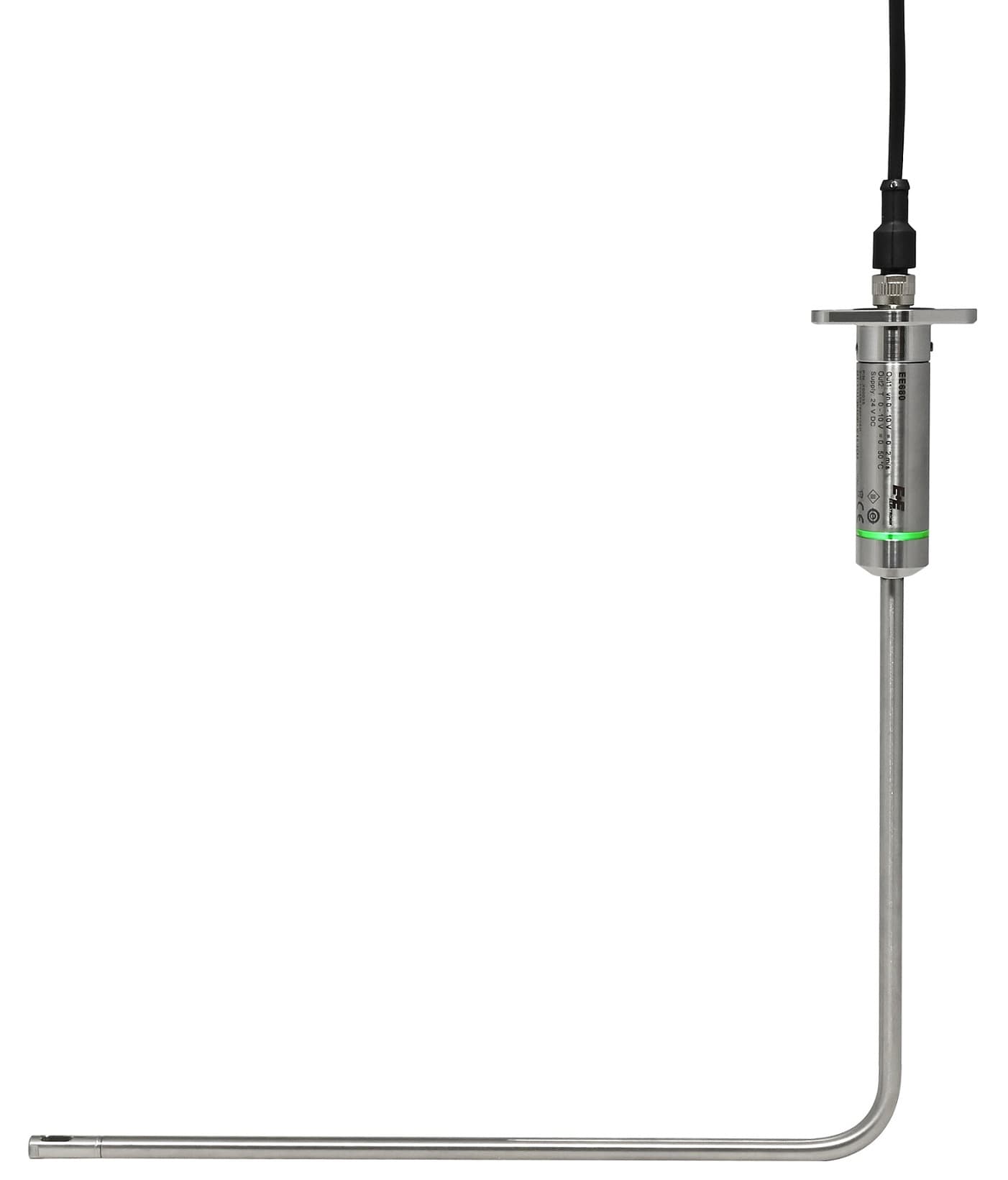 E+E Elektronik EE680 - Air Velocity Sensor for Laminar Flow Monitoring
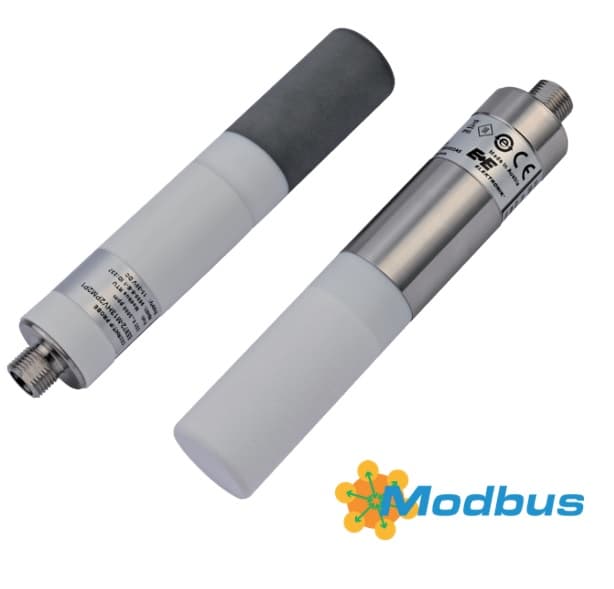 E+E Elektronik EE872 - Modular 4 in 1 probe for CO2, humidity, temperature and pressure
 E+E Elektronik EE072 - Humidity and Temperature Probe with Digital Interface
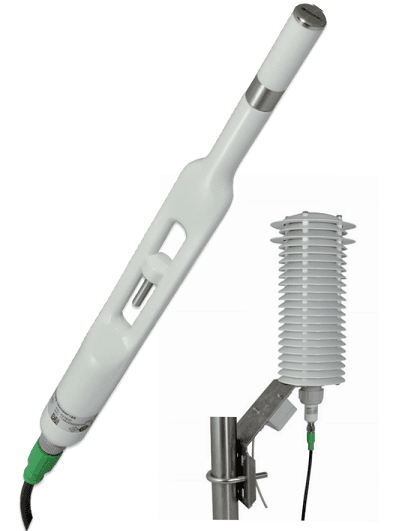 E+E Elektronik EE260 - Heated Humidity and Temperature Probe for Meteorology
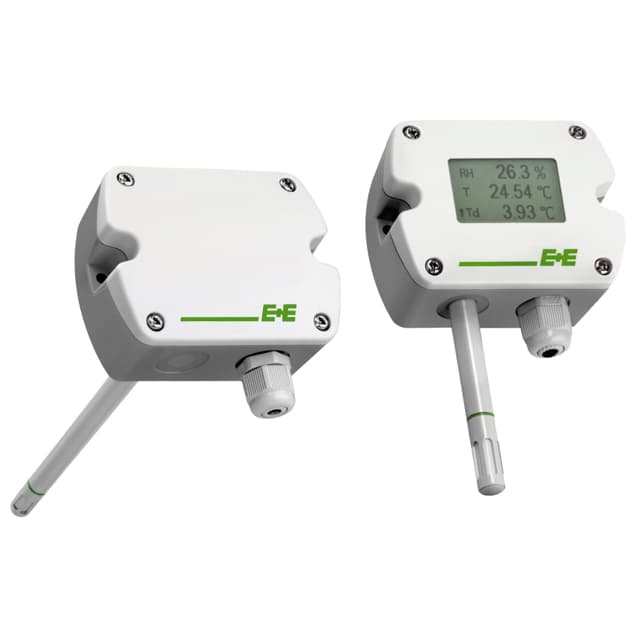 E+E Elektronik EE210 - Humidity and Temperature Sensor for Demanding Climate Control
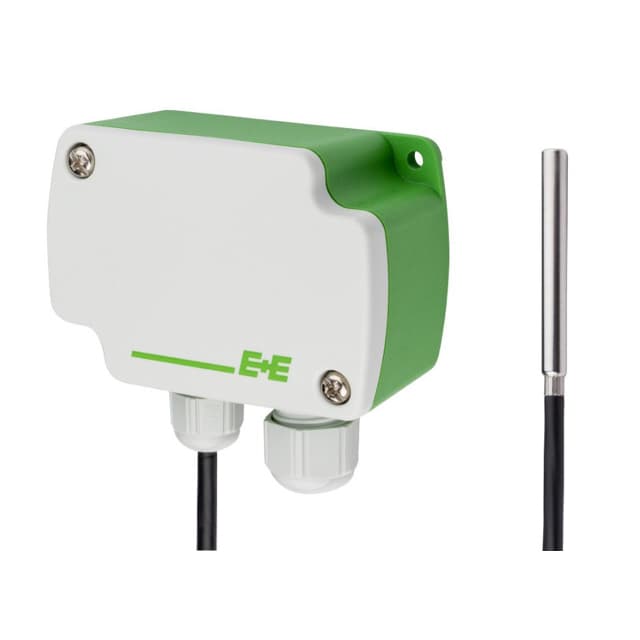 E+E Elektronik EE4x1 - Temperature Sensors with Modbus Output
Want to see how it works?
